Restaurant loyalty program: 5 ways to keep guests coming back
Points and cashback alone are no longer enough to keep restaurant guests coming back. Discover five modern loyalty mechanics that help restaurant brands drive repeat visits, shape customer behavior, and build stronger long-term relationships.


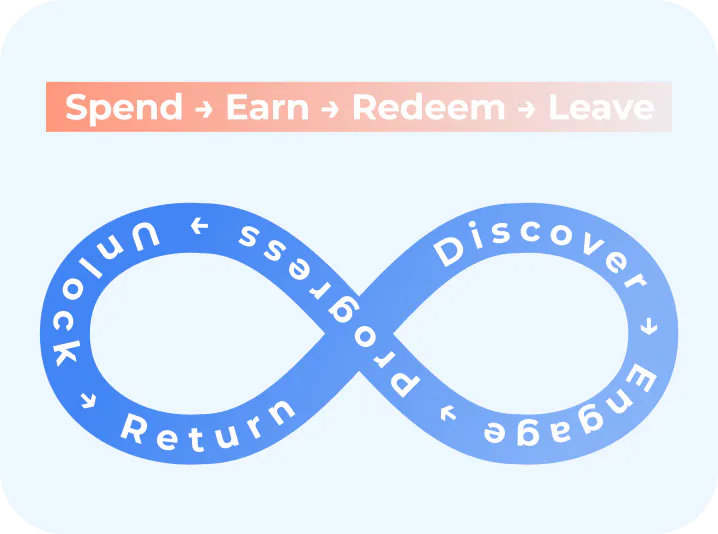
The traditional restaurant loyalty program hasn’t changed much in a decade: guests spend, earn points, and eventually redeem a reward. But points alone rarely give them a compelling reason to come back.
And that matters more than ever. Loyalty is increasingly influencing the decision before an order even happens. According to PYMNTS Intelligence, 93% of loyalty members check for deals before deciding where or what to eat, while loyalty programs influence 54% of QSR customers’ decisions.
Today’s guests expect more than delayed savings. They return when brands give them something worth returning for: progress, recognition, relevant rewards, and new experiences.
That’s why leading restaurant brands treat points as just one part of a broader engagement strategy. Modern loyalty isn’t about rewarding the last purchase. It’s about driving the next one.
Here are five loyalty mechanics increasingly replacing traditional points-only programs.
1. Missions that guide the next action
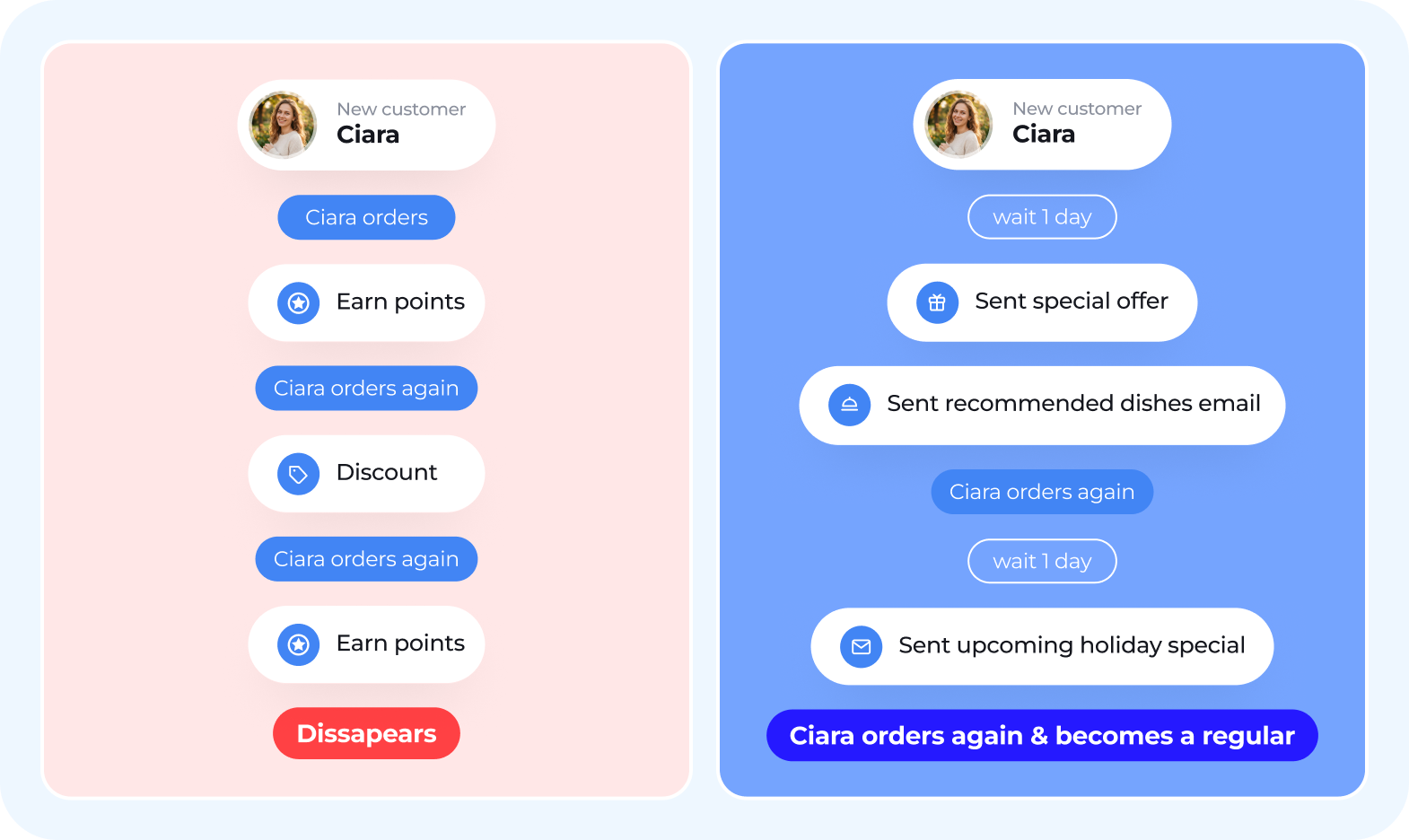
Traditional loyalty programs reward what guests have already done. Missions encourage the behavior you want to see next.
Instead of rewarding every purchase in the same way, use missions to guide guests toward actions that support your business goals. For example, invite them to:
- place a second order within seven days;
- try a new menu category;
- order through your app instead of a marketplace;
- visit during quieter hours;
- reach a target order value;
- complete a series of purchases to unlock a reward.
Everyone wins. Guests know exactly what they need to do and what they’ll get in return. Restaurants can use missions to increase visit frequency, encourage product discovery, grow average order value, and drive more direct orders.
With LoyaltyPlant, missions can be triggered by products, visit frequency, order value, ordering channels, or guest behavior. As guests complete challenges, they unlock rewards, badges, new tiers, or exclusive offers. Every reward has a clear purpose, helping shape future behavior instead of simply rewarding past purchases.
2. Tiered progression that guests actually notice
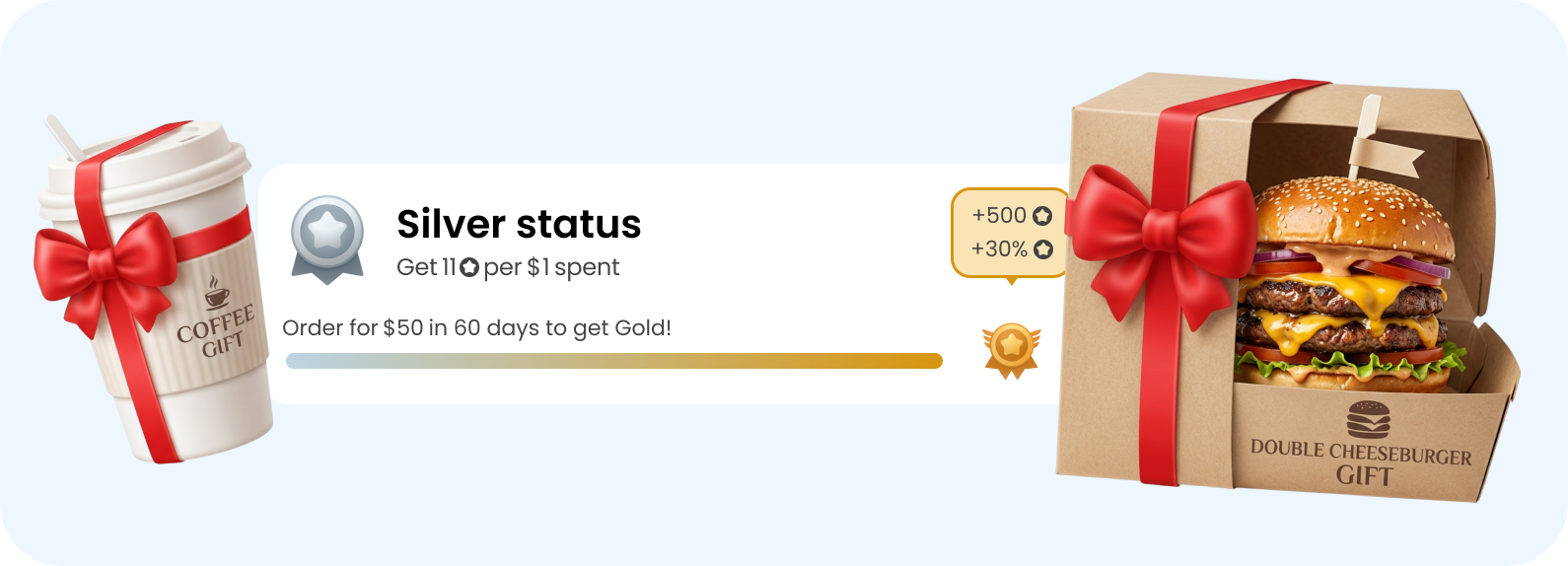
A points balance tells guests what they have earned. A tiered program gives them a reason to keep going.
Visible progression can turn a restaurant loyalty program from a passive points system into an experience that gives guests a reason to keep going.
Instead of simply seeing “640 points,” guests know they’re one step away from unlocking something new. For example, they might see:
- one more order until Silver status;
- €10 left before the next reward;
- two visits needed to keep Gold benefits;
- an exclusive reward waiting at the next level.
The best tiered programs make progress easy to understand. Guests should always know where they are, what comes next, how to get there, and what they’ll unlock when they do.
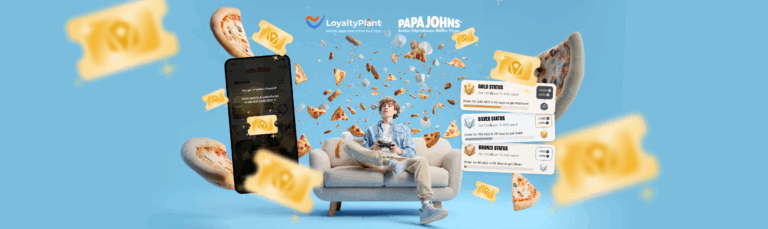
Papa Johns UAE followed this approach by combining tiered progression with personalized communication. Instead of rewarding every guest in the same way, the program encouraged customers to maintain or upgrade their status, helping grow its highest-value customer segment while improving profitability from direct digital
3. Faster rewards build habits
One of the biggest weaknesses of a traditional restaurant loyalty program is that guests often have to wait too long before they experience any real value. If the first meaningful reward feels weeks or months away, points quickly lose their ability to motivate repeat visits.
Leading restaurant brands shorten that gap by giving guests something to look forward to early in their journey. This might include:
- a welcome reward after joining;
- a second-order incentive;
- a bounce-back offer with a short expiration date;
- a mystery prize;
- a progress bar showing the next milestone;
- a short-term challenge with an achievable reward.
These mechanics create momentum. Instead of asking guests to collect points indefinitely, they reward progress early and often, making each visit feel like another step toward something worthwhile.
4. Flexible rewards create more value than cashback
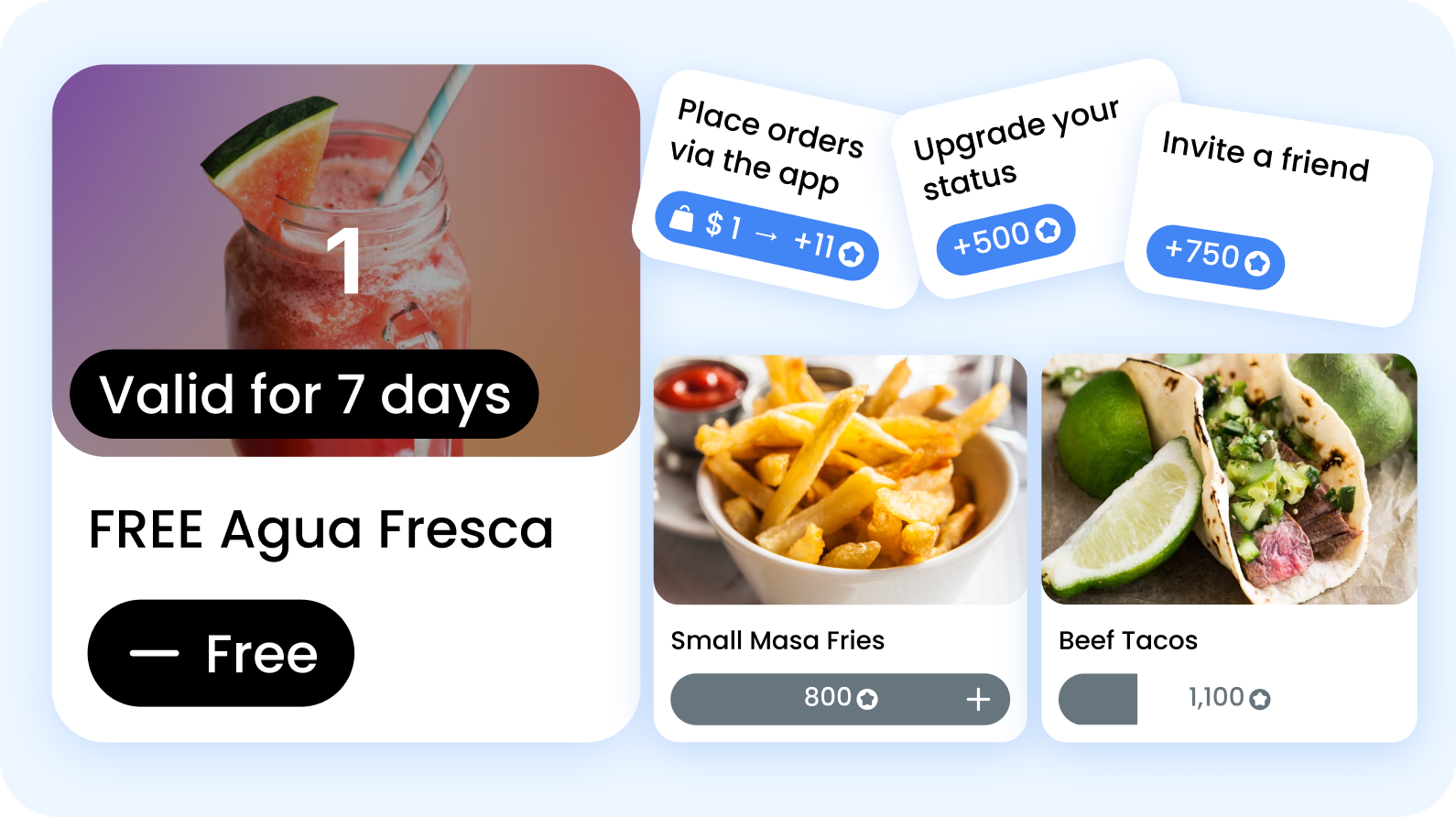
Flat cashback gives every guest the same type of reward: money back on their purchase. A flexible rewards catalog gives restaurants far more options to create value without relying on deeper discounts.
Instead of offering the same reward to everyone, restaurants can tailor rewards to their brand and business goals. These might include:
- menu items or limited-time products;
- branded merchandise;
- partner rewards;
- charitable donations;
- exclusive rewards available only to loyalty members or higher tiers.
These rewards often feel more valuable than they cost. Guests are far more likely to remember unlocking a limited-edition item or exclusive experience than earning another 5% cashback.
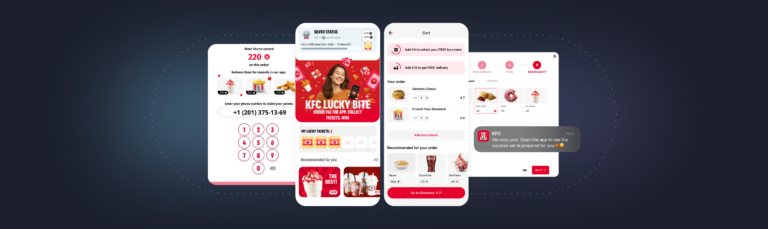
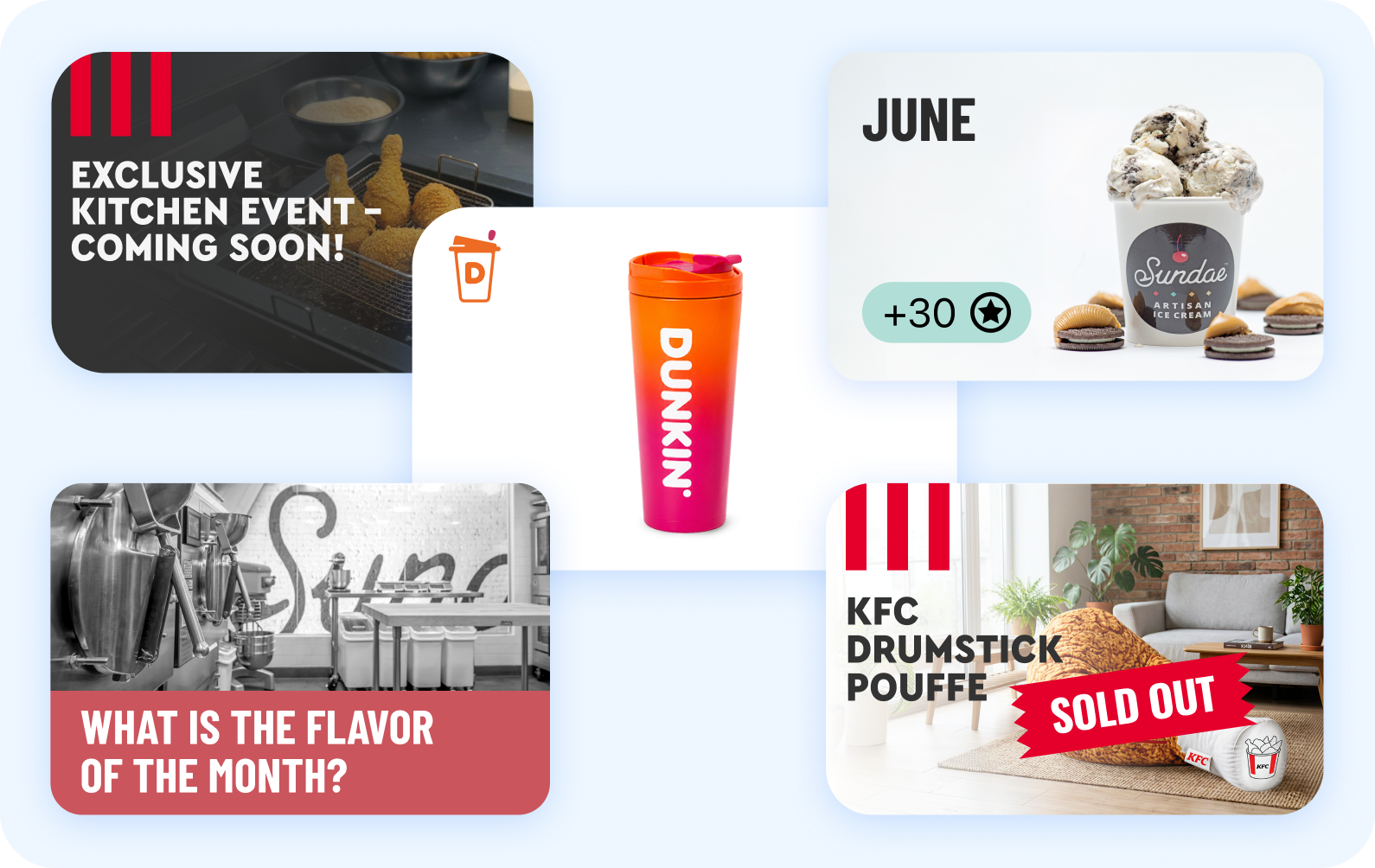
KFC Ukraine took this approach by moving beyond a traditional cashback model. Instead of treating points as money returned from every purchase, the program introduced a flexible rewards catalog with gamified mechanics, partner rewards, charity initiatives, and limited-time offers. The focus shifted from rewarding every transaction to giving guests more reasons to come back and engage with the brand.
5. Recognition keeps guests engaged between purchases
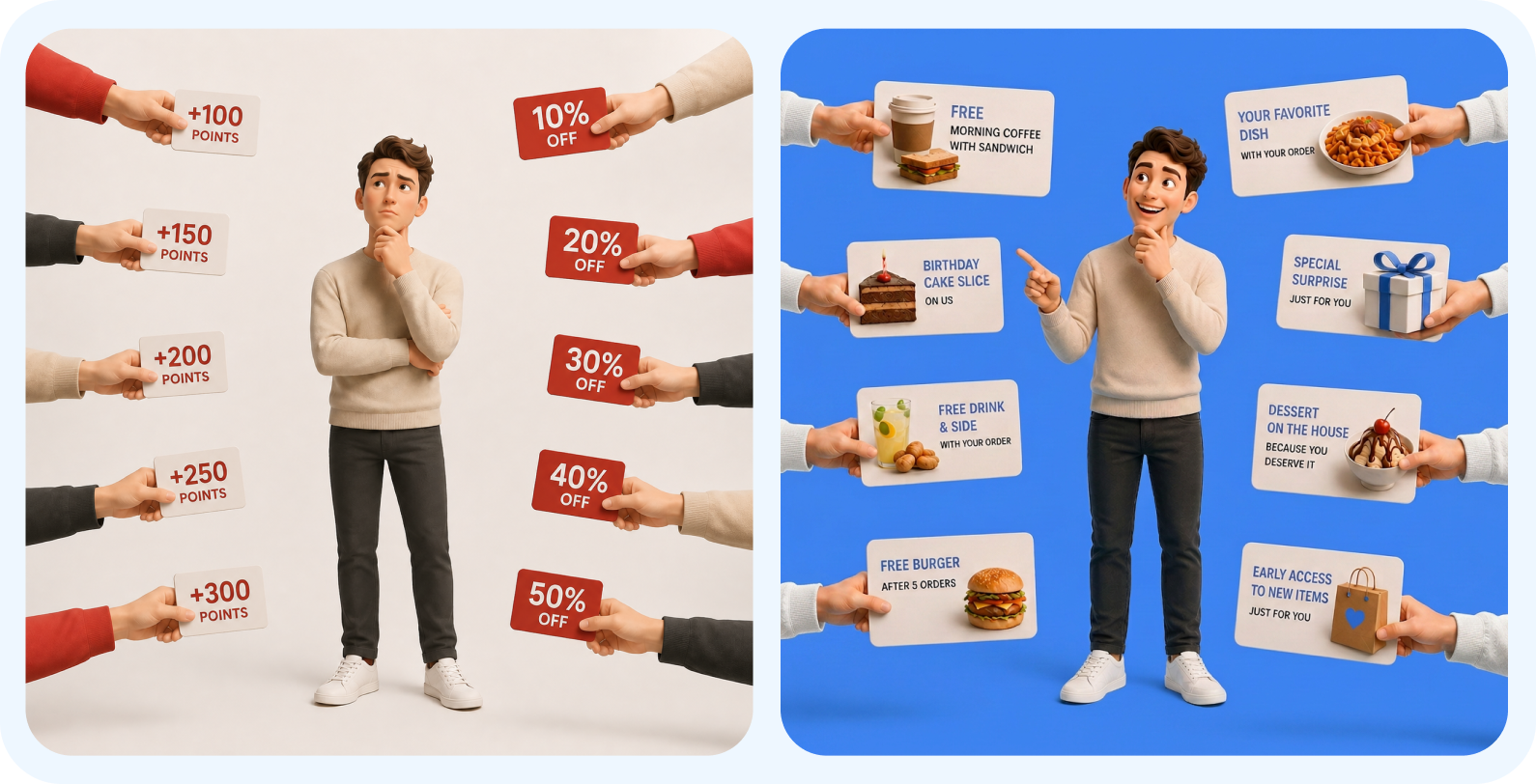
Not every reward has to save guests money. Some of the strongest loyalty mechanics are built around recognition, exclusivity, and a sense of achievement.
Guests enjoy making progress, unlocking something new, or gaining access to experiences that aren’t available to everyone. These rewards create an emotional connection with the brand that discounts alone rarely achieve.
Recognition can take many forms:
- collectible badges;
- anniversary rewards;
- surprise-and-delight campaigns;
- early access to new products;
- members-only offers;
- limited-edition merchandise;
- partner experiences.
Unlike cashback, these mechanics keep guests engaged between purchases. Instead of asking, “How much did I save?”, guests begin asking, “What’s next?” or “What can I unlock?”
Is your loyalty program still built around points?
Many loyalty programs have added tiers, campaigns, or extra rewards over the years. But underneath, they still operate like cashback programs.
A simple way to evaluate your program is to ask a few questions:
- Do guests earn rewards only by spending more?
- Can they clearly see what they’re working toward?
- Does the program encourage specific behaviors or simply reward completed purchases?
- Are rewards personalized based on guest behavior?
- Would guests still find the program interesting if discounts disappeared?
If most of these questions are difficult to answer, your loyalty program is probably rewarding transactions rather than building relationships.
Want to see what modern restaurant loyalty looks like?
Book a demo with LoyaltyPlant and discover how gamification, personalized rewards, AI-powered CRM, and flexible loyalty mechanics help restaurant brands build stronger guest relationships and increase repeat orders.