KFC Ukraine case study: how a Minions menu became an app experience
See how KFC Ukraine turned its Minions menu launch into an interactive app experience with a branded memory game, campaign-themed ordering, organic sharing, and a limited-edition reward that sold out within days.


Most brand collaborations live in two places: the in-store menu board and a burst of paid social. The app, if it shows up at all, gets a banner. KFC Ukraine’s Minions collaboration did something different. The LoyaltyPlant-powered app became part of the campaign itself, not just a place to announce it. A branded memory game turned into the kind of thing guests shared with friends unprompted, and one limited-edition reward sold out within days.
Here’s what made the difference between a menu launch guests scroll past and one they actively play with.
The problem: limited-time collaborations don't automatically reach the app
Brand collaborations are built for visibility: new packaging, new characters, new social content. They’re not automatically built for interaction. A themed menu can generate impressions without ever giving guests a reason to open the branded app, so the collaboration’s energy stays on the shelf and on social media instead of converting into app engagement or repeat visits.
For KFC Ukraine’s Minions collaboration, the brief was to make the app itself feel like part of the campaign moment, not a separate channel running its own, disconnected promotion.
The mechanic: three connected elements, not one big feature
- Rather than build a single flashy feature, the campaign combined three simple, connected elements inside the app.
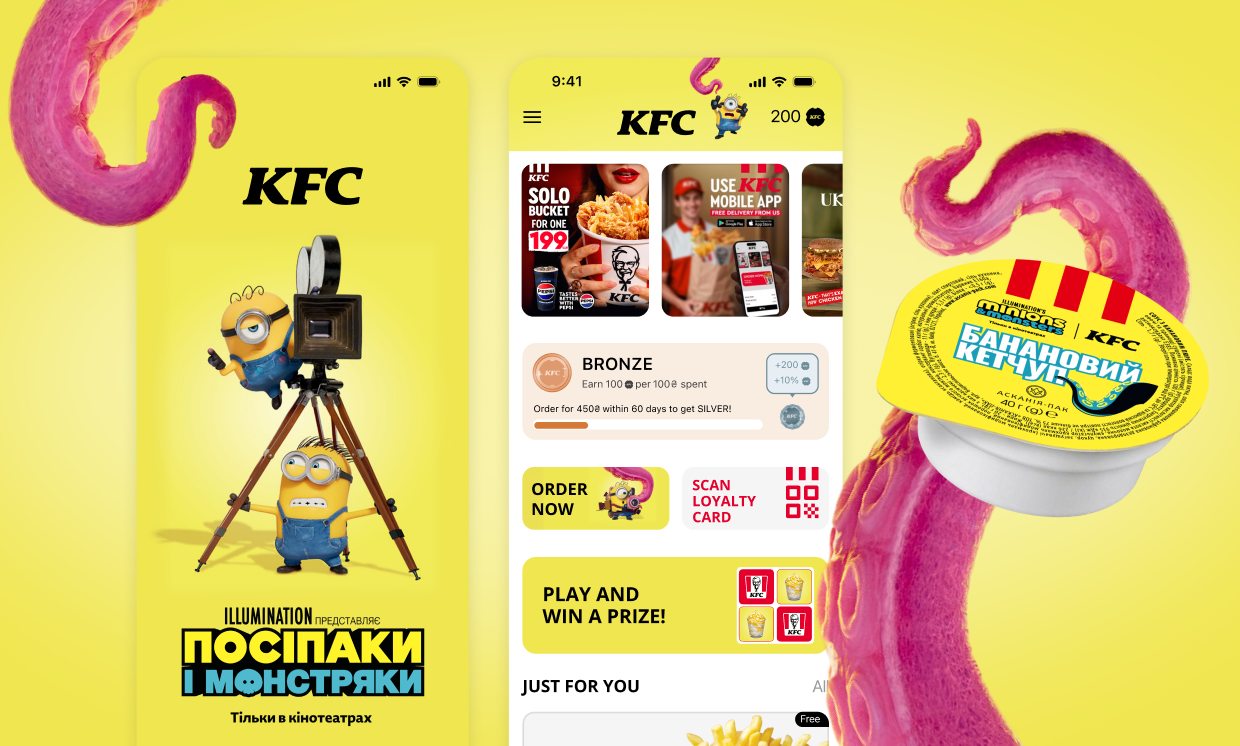
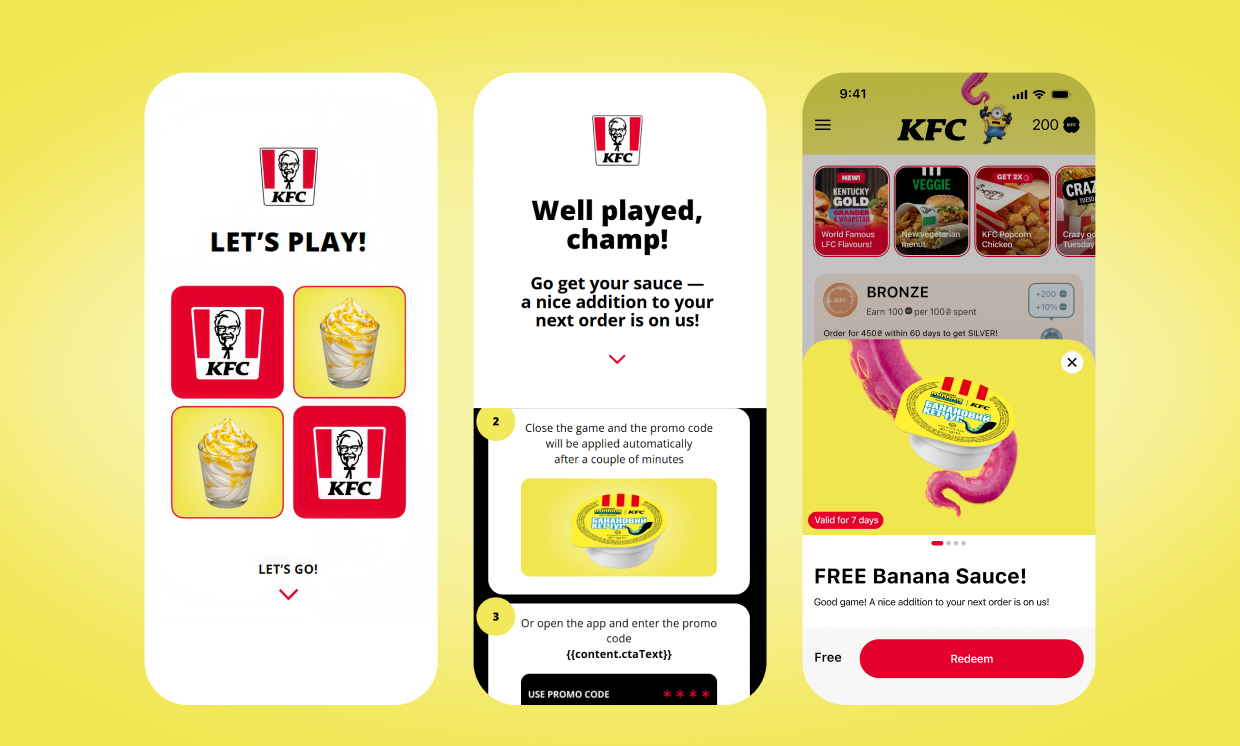
- A themed limited-time menu, inspired directly by the Minions collaboration, so the in-app ordering experience matched what guests were seeing on the menu board and in marketing.
- A redesigned home screen that immersed guests in the campaign the moment they opened the app. The first thing a guest saw was the collaboration, not a generic homepage.
- A branded memory game, where guests matched cards to unlock rewards tied to the new menu. The mechanic was intentionally simple: match pairs, unlock a reward. That simplicity was a deliberate choice, not a limitation. It made the game easy to pick up in seconds while still fitting the campaign’s playful theme.
- None of the three elements asked guests to do anything unfamiliar. A themed menu, a refreshed homepage, and a matching game are all mechanics people already understand. The campaign’s value came from tying three familiar things to one moment, not from inventing a new one.
The result: organic sharing and a sold-out reward
Two signals stood out.
- Organic sharing. Guests started sharing the memory game with friends, generating buzz around the promotion instead of relying solely on paid amplification.
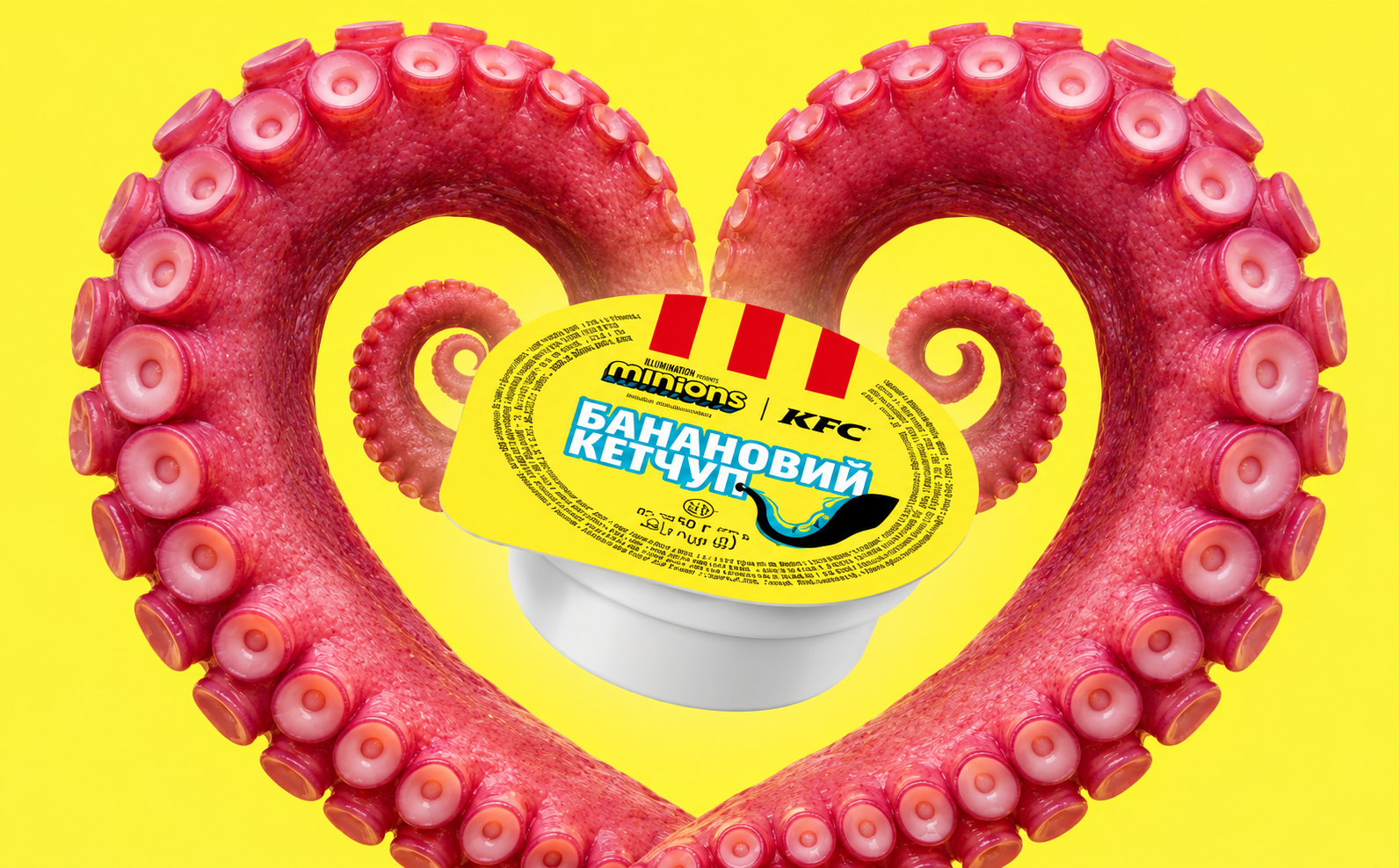
- A sold-out reward. One of the featured rewards, a limited-edition banana sauce tied to the Minions theme, became popular enough that it sold out within a few days.
Both signals point to the same dynamic. Guests weren’t just redeeming a reward, they were engaging with the mechanic that delivered it. A memory game is inherently shareable in a way a static banner isn’t: there’s something to show a friend, not just tell them about.
Why this works: gamification earns attention a banner can't
Minions is a recognizable property, and KFC already has built-in demand. It’s tempting to assume the collaboration would have worked regardless of the app.
But the app didn’t need the game to get attention. It needed the game to turn that attention into something guests actually did inside the app, not just something they saw in-store or on social.
That’s the broader pattern: a game asks guests to do something (match cards, unlock a reward), while a banner only asks them to look. That difference is why gamified mechanics tend to beat static promotions on repeat interaction, even when the offer behind them is the same.
How to build this into your next collaboration
Ask three questions before your next launch.
- Does the app change, or just the menu? If the homepage and ordering flow look the same as last week, the app isn’t part of the campaign, it’s just where guests order from.
- Is the mechanic playable in seconds? Simplicity is what let the memory game reach a broad audience with no learning curve.
- Is the reward worth talking about? A sold-out limited item drives more word of mouth than a discount code, because it’s tied to scarcity and to the campaign itself, not a generic deal.
The takeaway
The lesson from KFC Ukraine’s Minions campaign isn’t “add a game to your app.” It’s that a themed menu, a matching homepage, and a simple interactive mechanic are stronger together than any one of them is alone. That combination is what turned a menu launch into something guests wanted to share.
See how a connected campaign experience like this would work for your brand. Book a demo with LoyaltyPlant.